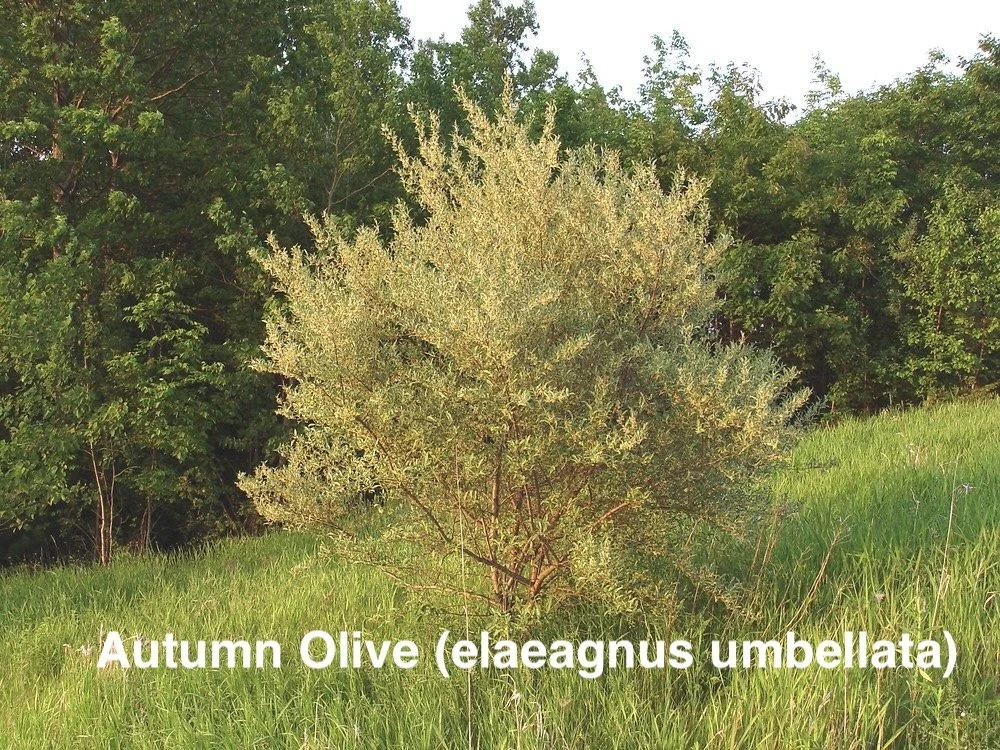
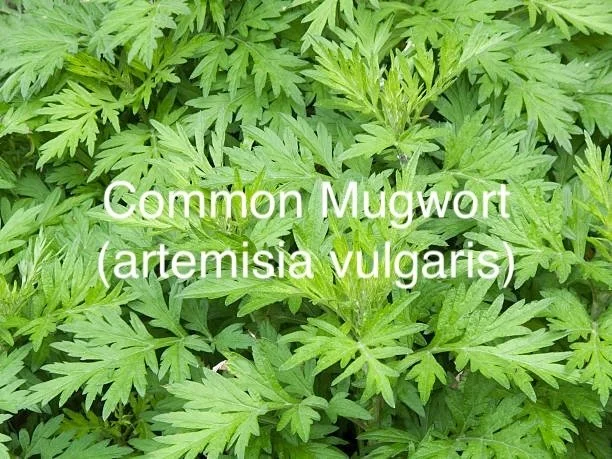
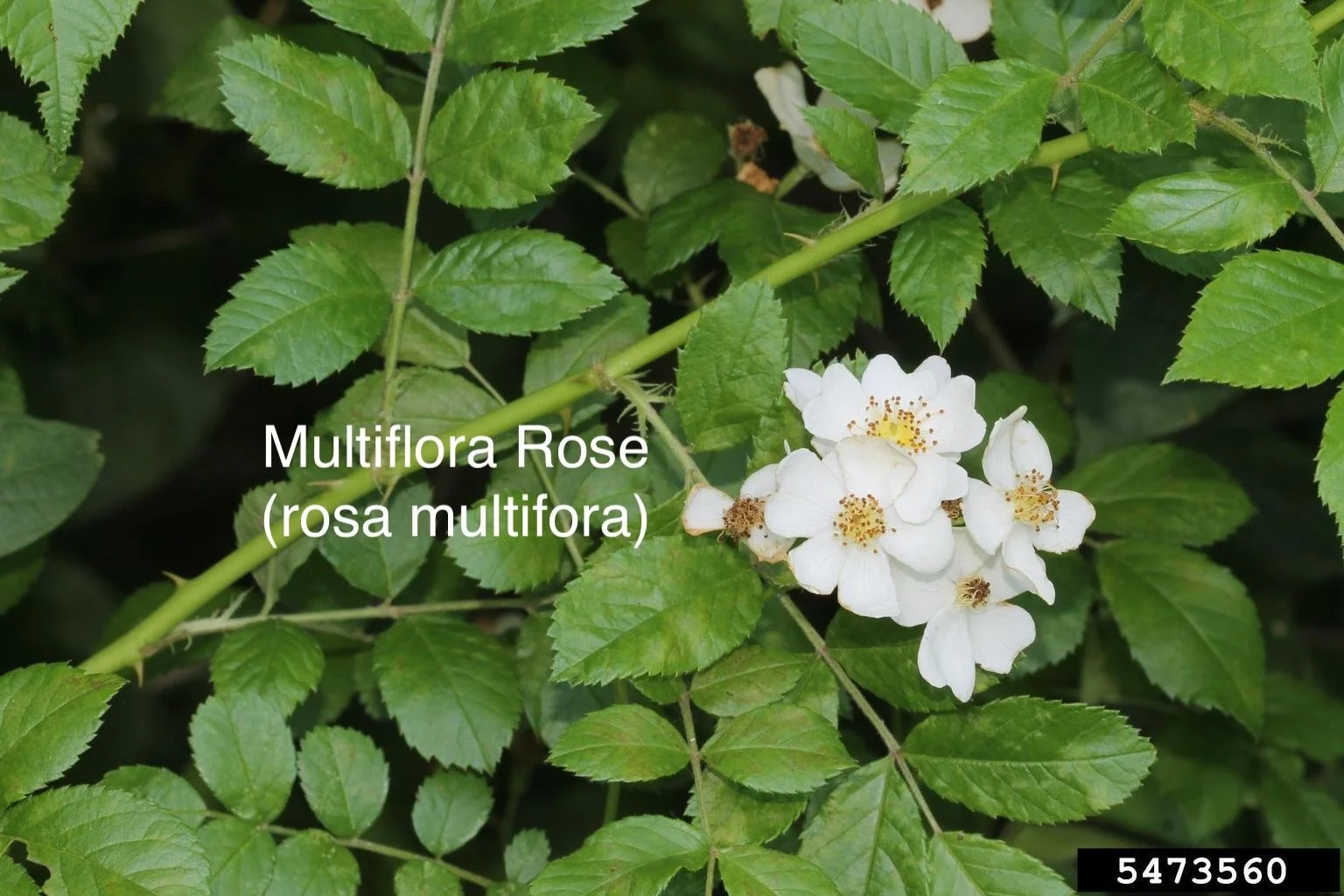
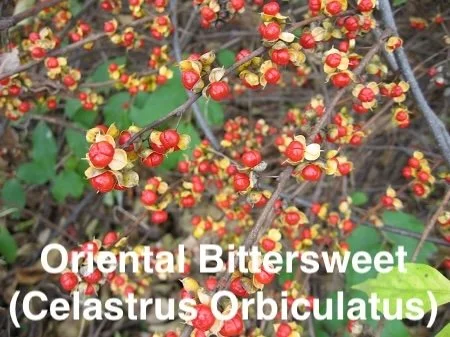
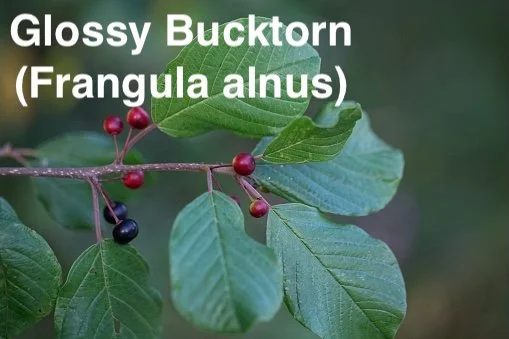
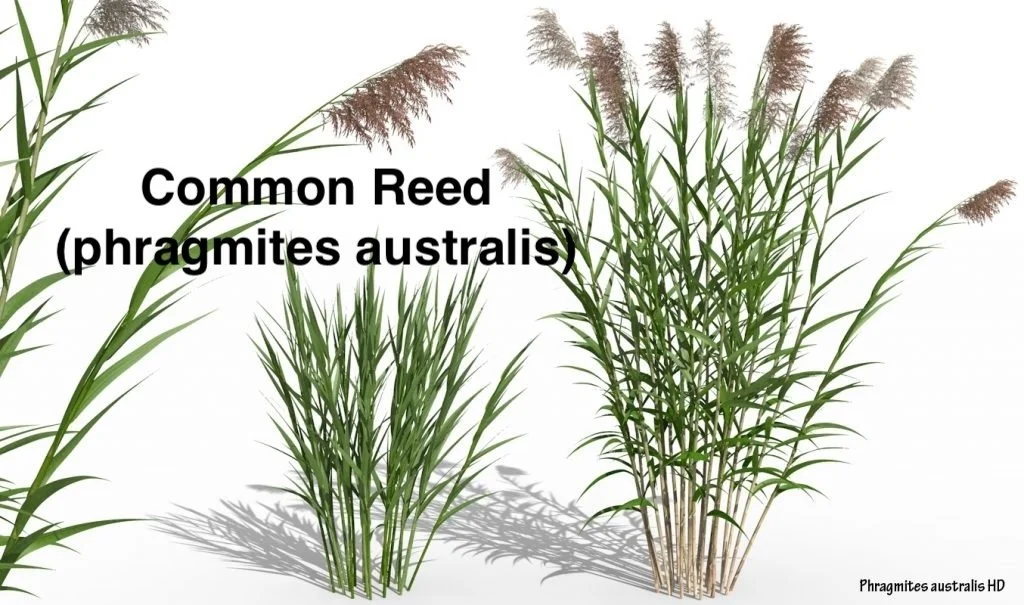
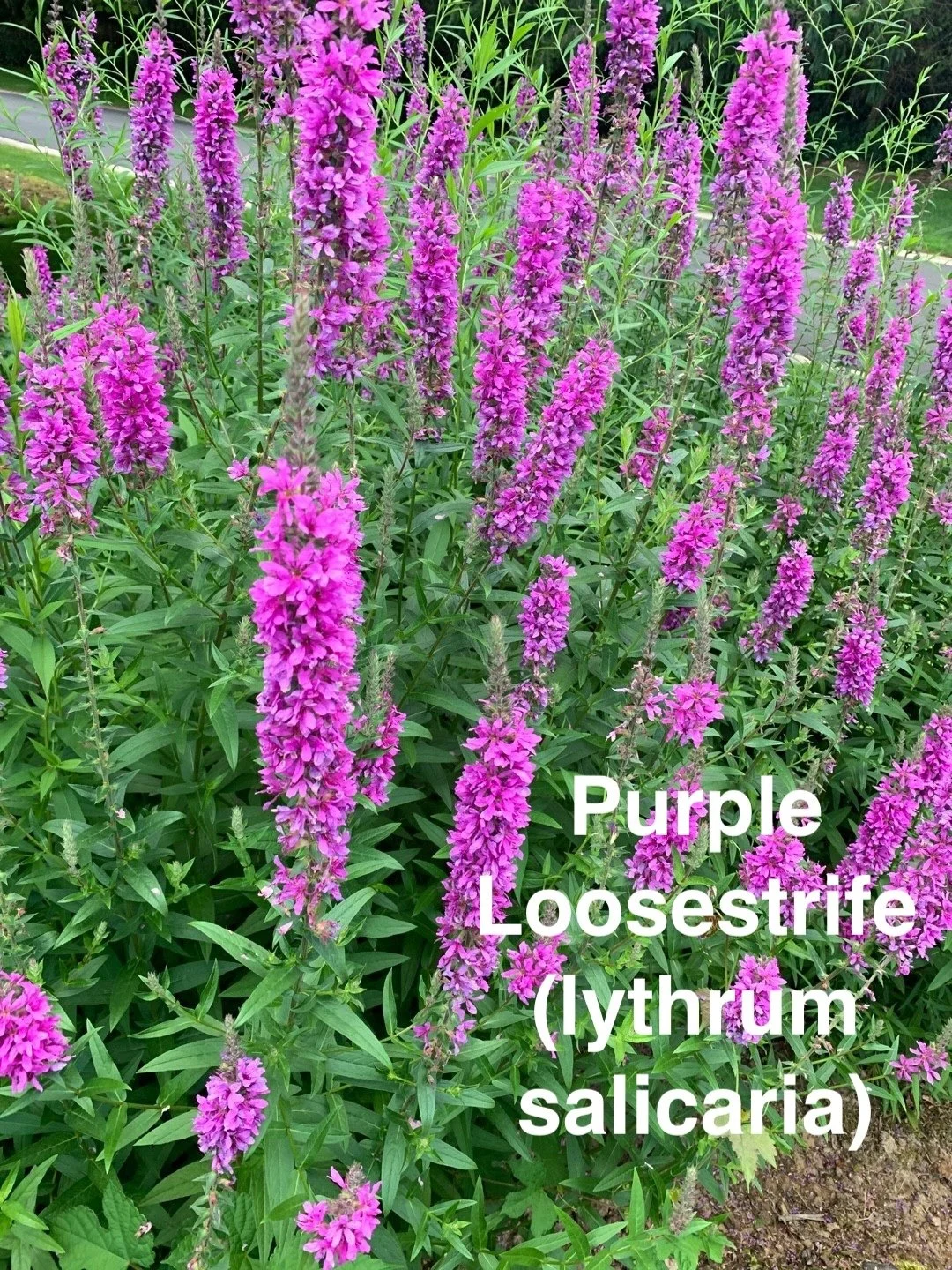
Scroll to the bottom of this page for images of the invasive plant species found on Clear Pond and the Conservation Trail
Why Should I Be Concerned About Invasive Plants?
An invasive plant species is a non-native plant introduced—either intentionally or accidentally—to an ecosystem where it did not evolve, and whose introduction causes or is likely to cause ecological, economic, or environmental harm.
To be classified as invasive, a plant must meet two primary criteria:
Non-native origin: It was transported across natural geographic barriers by human activity.
Aggressive spread & harm: It reproduces rapidly, establishes dense populations, and disrupts the local ecosystem.
How DO Invasive Plants Harm Native Vegetation?
In invasive plants' native habitats, co-evolved herbivores, diseases, insects, and competing plants keep their populations in check. In new environments without these natural controls, invasive species gain a massive competitive advantage over native flora through several key mechanisms:
1. Direct Resource Competition
Invasive plants often emerge earlier in the spring, grow faster, and produce thousands of seeds that spread easily. They outcompete native species for basic survival needs:
Sunlight: Fast-growing foliage shades out slower-growing native saplings and wildflowers.
Water & Nutrients: Deep or extensive root networks deplete soil moisture and essential minerals before native roots can access them.
2. Physical Smothering and Structural Damage
Aggressive climbing vines (like Oriental Bittersweet) physically climb native trees and shrubs to reach light. This creates two problems:
Blocking Photosynthesis: Thick canopy blankets prevent sunlight from reaching the leaves of native host trees.
Mechanical Damage: Heavy vine mass adds structural weight that snaps limbs, uproots trees during storms, and prevents tree recruitment.
3. Chemical Warfare (Allelopathy)
Some invasive plants release toxic chemical compounds into the surrounding soil through their roots or decaying leaf litter. These biochemicals directly inhibit the root development and seed germination of nearby native species.
4. Soil and Ecosystem Alteration
Invasive plants can fundamentally change the environmental conditions that native plants require to survive:
Altering Nitrogen Cycles: Plants like Russian Olive change soil nutrient levels, favoring fast-growing weeds over native species adapted to lower-nutrient soils.
Changing Fire Regimes: Highly flammable invasive grasses dry out early in the summer, dramatically increasing the frequency and intensity of wildfires that destroy fire-sensitive native plant communities.
5. Disrupting Mutualistic Relationships
Native plant populations rely on native bees, butterflies, and birds for pollination and seed dispersal. Dense stands of invasive plants can lure pollinators away from native species, leading to lower seed production and reproductive failure in native plant populations.